No-Drill Home Accessories Selection by Room, Surface, and Load
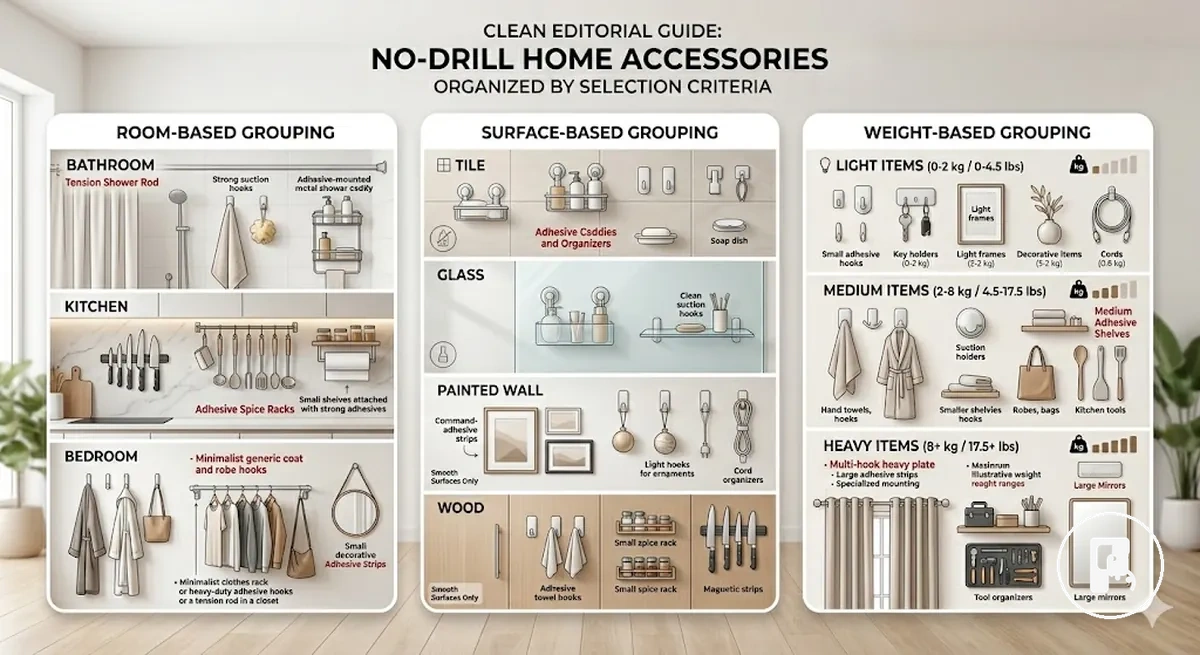
No-drill home accessories depend on room condition, surface type, and load, which together determine whether adhesive, suction, tension, or removable mounting will suit the use context. These factors shape suitability rather than a universal mounting choice, creating a conditional fit decision for different home setups. The concept of no-drill home accessories reflects this dependency on room, surface, and load balance.
No-drill home accessories refer to wall-mounted organizers that use adhesive pads, suction systems, tension support, or removable mounting methods instead of drilling. These drill-free accessories include hooks, shelves, and caddies designed for storage and organization in different environments. The main decision variables are surface type, expected load, and room condition, which influence how each mounting method behaves in practice.
In practical use, room condition such as bathrooms, kitchens, or compact spaces affects how adhesive, suction, or tension systems interact with surfaces like tile, glass, or painted walls. Load expectations further influence whether hooks, shelves, or caddies remain suitable under regular use. Evaluating these baseline conditions helps establish whether a given no-drill setup matches the intended space before moving into specific room-based selection.
What Makes a No-Drill Accessory Suitable for a Room, Surface, and Load
A no-drill accessory is suitable when its mounting method, surface condition, and expected load align in a stable configuration. This suitability is evaluated through the relationship between accessory type, room context, and the physical constraints of the surface it attaches to. The room-surface-load combination determines whether adhesive, suction, tension, or removable systems can maintain practical fit without mismatch.
Suitability depends on how well a no-drill accessory responds to surface condition, moisture exposure, and stored-item weight under real use conditions. These factors shift the fit of hooks, shelves, and caddies because each mounting method reacts differently to environmental stress and contact behavior. When one factor changes, such as higher moisture or uneven texture, the overall fit can shift and requires reassessment through a structured check.
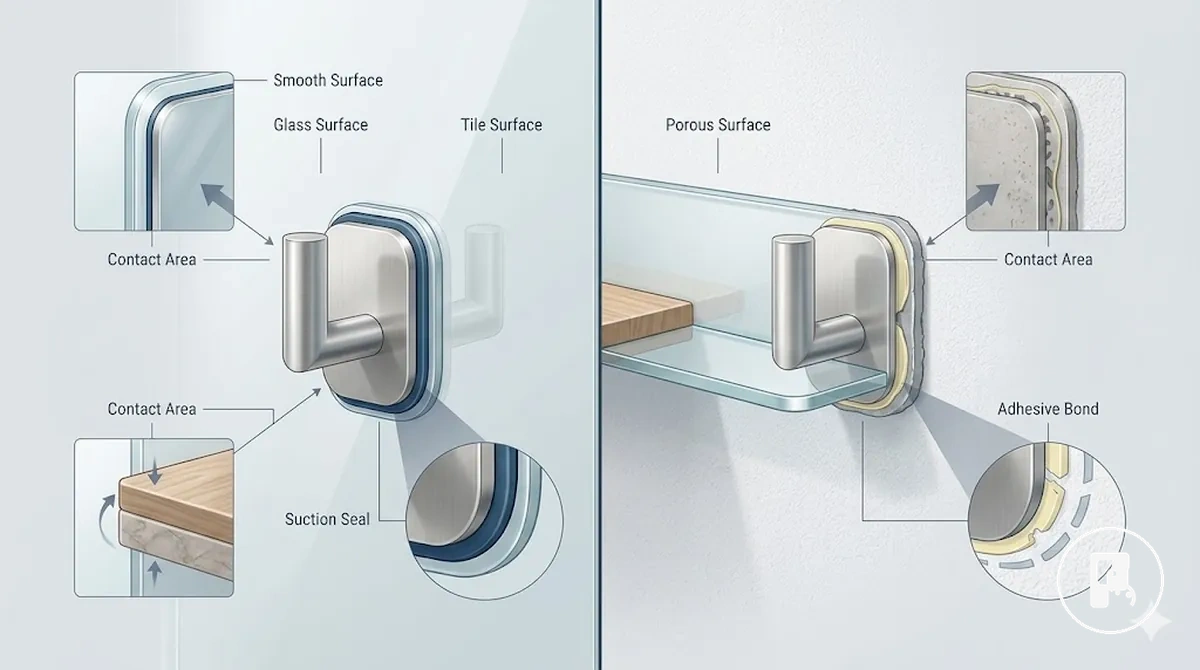
What Makes a No-Drill Accessory Suitable for a Room, Surface, and Load is best understood as a baseline suitability filter that evaluates whether a setup matches room, surface, and load conditions before selection. The checklist below verifies these conditions in a structured way.
- Accessory type alignment — checks whether hooks, shelves, or caddies match the intended use case and load behavior
- Mounting method compatibility — evaluates whether adhesive, suction, tension, or removable systems match the surface condition
- Surface condition check — identifies texture, smoothness, and stability that affect contact reliability
- Moisture exposure factor — assesses how humidity or water contact may influence mounting stability
- Stored-item weight balance — compares load demand against the expected holding capacity of the system
- Removal expectation check — considers whether detachment may affect surface behavior or residue risk
Room and Storage Jobs That Change No-Drill Accessory Choice
Room job determines how storage is actually used, and this directly changes no-drill accessory choice by shifting expectations for hooks, shelves, caddies, rails, and organizers. A bathroom, kitchen, or small space creates different storage tasks, so the accessory fit depends on how the room is intended to function rather than a fixed product category. Room job acts as the organizing rule that connects usage intent with selection.
No-drill accessory selection depends on how room-based exposure and load effect interact with surface conditions. Moisture in bathrooms, grease in kitchens, or space constraints in compact rooms can change how adhesive, suction, or tension systems behave. These differences mean that surface exposure and load must be considered together before deciding the accessory class.
Different room jobs change how storage behavior is evaluated, especially when the same accessory type is used across wet, greasy, or limited-space environments. This is why a structured comparison helps translate room intent into selection logic without treating each room as a separate product category.
The table below organizes room jobs to show how storage intent influences no-drill accessory choice through surface exposure and load effect.
| Room/job | Common no-drill accessory | Surface or exposure issue | Selection caution |
|---|---|---|---|
| Bathroom storage | Caddies, hooks | High moisture, tile surfaces | Humidity may reduce stability of adhesive or suction systems |
| Kitchen storage | Rails, hooks | Grease and backsplash exposure | Surface cleaning condition affects mounting consistency |
| Small spaces | Shelves, organizers | Limited wall area and mixed surfaces | Load concentration and placement affect fit reliability |
| Hooks use case | Hooks | Variable surfaces across rooms | Single-point load increases sensitivity to surface quality |
| Shelves use case | Shelves | Requires flatter wall surfaces | Uneven surfaces may reduce stability |
| Caddies use case | Caddies | Wet or mixed exposure zones | Drainage and moisture exposure affect suitability |
| Rails use case | Rails | High-use kitchen or utility zones | Load distribution improves consistency across points |
Bathrooms, showers, and wet-area storage
Bathroom no-drill accessories in wet areas depend on moisture exposure, surface type, and item weight to maintain stable fit. Showers and sink zones create constant contact with water and steam, so the suitability of hooks, caddies, and towel hooks changes based on tile or glass surface behavior. The key caution is that moisture and load together can shift adhesion or suction performance.
A shower caddy or towel hook often behaves differently depending on whether it is placed on tile walls or glass panels inside a wet zone. In showers, continuous water exposure and drainage flow affect how the accessory stays attached and how items are supported. choose for bathrooms and wet areas when evaluating detailed wet-zone compatibility rules.
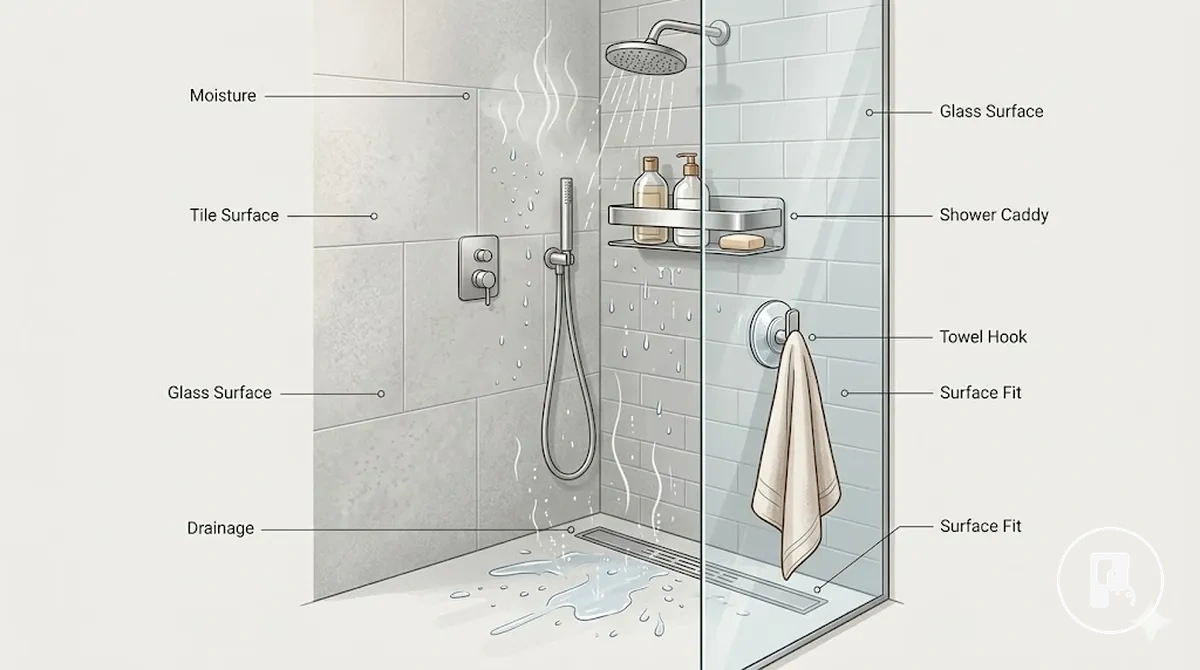
Bathrooms, showers, and wet-area storage highlight how moisture, surface type, and drainage influence no-drill accessory selection across tile and glass environments.
- Moisture exposure — higher wet conditions can reduce adhesion stability and require more careful mounting method selection
- Tile surface — grout lines and texture variations may affect contact strength and load holding consistency
- Glass surface — suction-based fitting depends on seal quality and proper surface cleaning for better contact
- Rust resistance — metal parts may face corrosion risk in persistent wet conditions depending on material quality
- Drainage — shower caddies need open flow areas to avoid water accumulation and added load stress
- Cleaning access — regular surface cleaning helps maintain consistent contact between accessory and wet wall surfaces
Kitchens, sinks, and backsplash storage
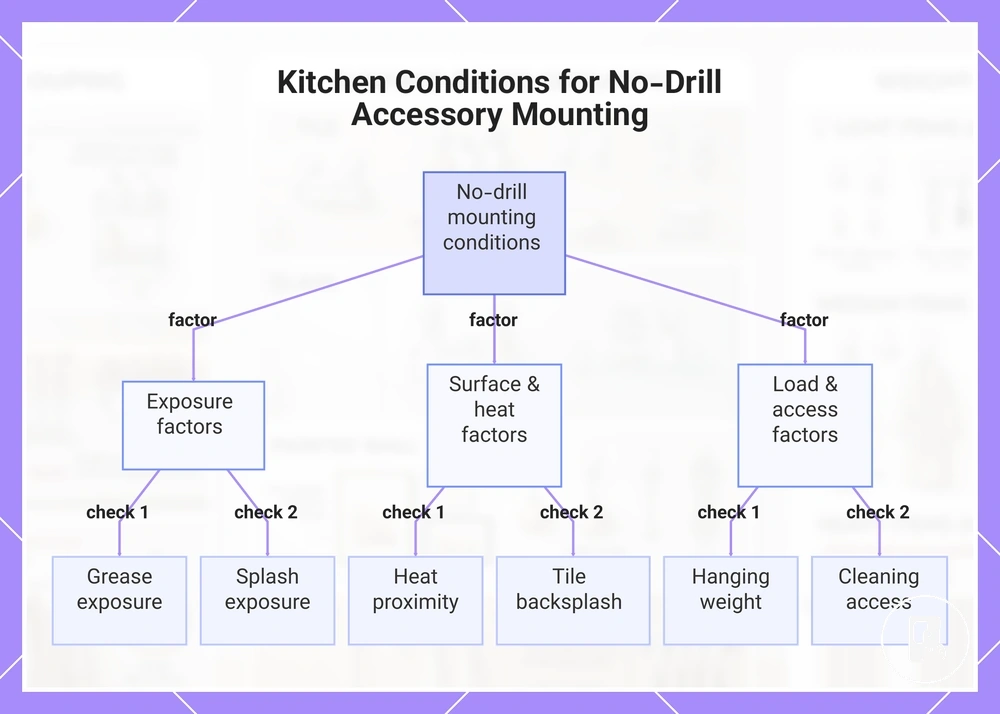
Kitchen no-drill accessories around backsplashes, sinks, and utensil storage zones depend on grease exposure, splash exposure, and hanging weight to decide suitable mounting and stability. Backsplash tile, sink edges, and cabinet-adjacent walls each create different surface conditions that influence whether adhesive hooks, rails, or suction-based systems maintain consistent hold. The main selection factor is how grease, splash exposure, and hanging weight interact with the surface and mounting contact area.
Light utensil storage typically fits adhesive hooks or compact rails when grease levels and splash exposure are limited and the backsplash surface is smooth enough for stable contact. Heavier shelf-style storage for jars or bulk items requires broader contact support and more careful load evaluation because increased leverage can affect stability near kitchen work zones.
The checklist below summarizes kitchen conditions that influence mounting choice and cleaning behavior.
- Grease exposure — higher backsplash grease can reduce adhesive performance and may require more frequent cleaning before mounting
- Splash exposure — sink-side water contact can affect suction stability and long-term attachment reliability
- Heat proximity — placement near cooking zones may influence material behavior and should be evaluated with caution
- Tile backsplash — smooth surfaces generally improve contact, while grout lines can reduce consistent adhesion
- Hanging weight — utensil load determines whether rails or hooks can maintain stable support without strain
- Cleaning access — easy surface maintenance helps preserve consistent contact and reduces residue buildup over time
This chart shows the six key kitchen conditions that influence mounting choice and cleaning behavior for no-drill accessories.
Small spaces, shelves, hooks, and caddies
Small spaces, shelves, hooks, and caddies depend on available surface area, access frequency, and load limits to decide whether a no-drill setup remains usable. In compact layouts, vertical storage and corner storage become more practical because wall space is limited and overloading a single zone can reduce both access and stability. The key constraint is balancing access with load across restricted surfaces.
Hooks and shallow shelves usually fit better when items are light and frequently accessed, while caddies and deeper shelf setups require more careful load control because leverage increases stress on the mounting surface. Removable options can help adjust placement in small spaces, but they still depend on surface compatibility and total weight distribution.
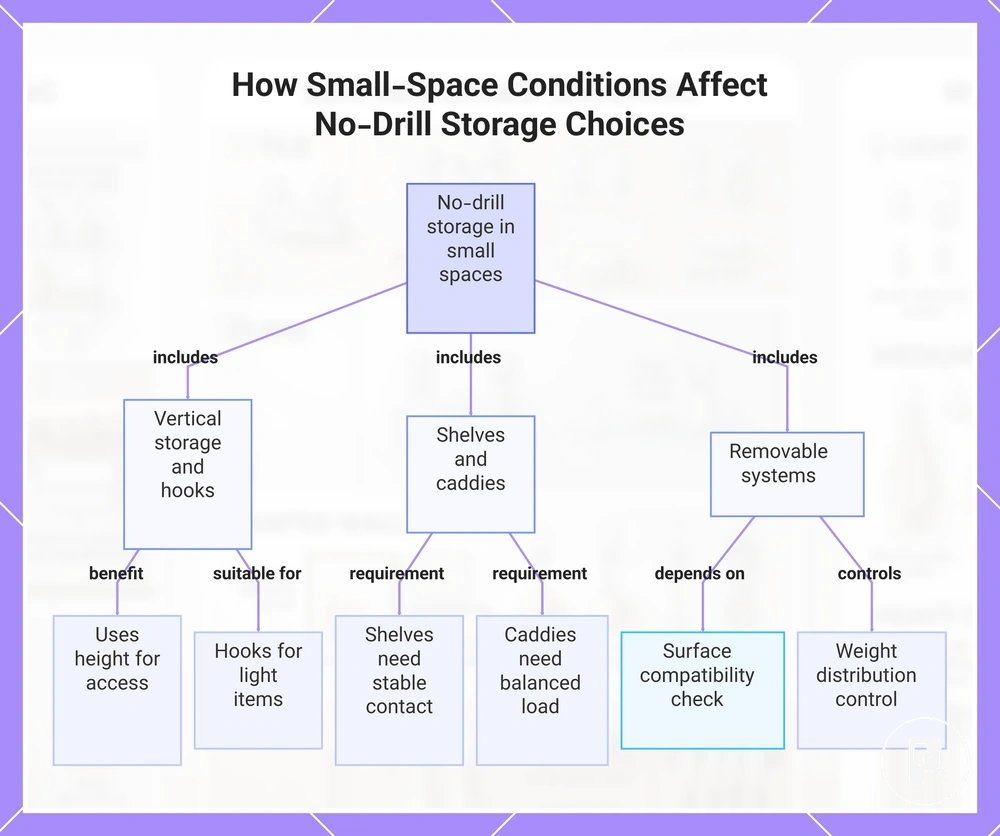
The checklist below shows how small-space conditions affect storage choice and usage behavior.
- Vertical storage — improves access in small spaces by using height instead of limited wall width
- Hooks — suitable for light items, but single-point load can limit safe capacity under frequent use
- Shelves — depend on stable surface contact and limited depth to avoid leverage-related strain
- Caddies — work in corner storage zones but require balanced load distribution for stability
- Removable systems — allow flexible access changes but depend on surface condition and weight control
This chart shows how small-space constraints like surface area and load limits influence the selection and usage of no-drill storage options such as hooks, shelves, caddies, and removable systems.
Surface Compatibility for Smooth, Tiled, Painted, and Hard Surfaces
Surface compatibility determines how no-drill accessories hold, release, and maintain stability across different wall finishes. Smooth tile, glass, painted walls, hard stone, metal, porous surfaces, and uneven surfaces each respond differently to contact, which directly affects mounting choice and expected reliability under use conditions.
Surface compatibility depends on texture, porosity, cleanliness, and moisture, which together define how well a mounting method can maintain contact. Smooth or sealed surfaces typically allow more consistent attachment behavior, while porous or uneven surfaces may reduce contact stability and increase variation in holding performance depending on load and surface condition.
Detailed edge-case behavior is handled separately in surface-specific guidance :contentReference[oaicite:0]{index=0}. This separation helps keep core surface selection focused while deeper variations are addressed in extended rules for each surface condition. For structured comparison and decision flow, users may choose by surface type based on compatibility criteria.
| Surface type | Useful mounting methods | Main condition to check | Risk or decision |
|---|---|---|---|
| Smooth tile | Adhesive, suction | Clean, sealed texture | Generally stable if surface is dry and evenly finished |
| Glass | Suction, adhesive | Seal quality and cleanliness | Stable contact depends on proper cleaning and full seal |
| Painted walls | Adhesive (light load) | Paint integrity and finish type | Removal risk may increase depending on coating condition |
| Hard stone | Adhesive, hybrid mounts | Surface smoothness variation | Performance varies with polish and micro-texture |
| Metal | Magnetic, adhesive | Clean, flat contact area | Stable when surface is flat and free from residue |
| Porous surfaces | Limited suitability | Absorption and uneven contact | Lower holding consistency due to material absorption |
| Uneven surfaces | Limited or avoided | Surface flatness | Contact instability increases due to gaps in contact area |
Smooth non-porous surfaces for stronger suction and adhesive hold
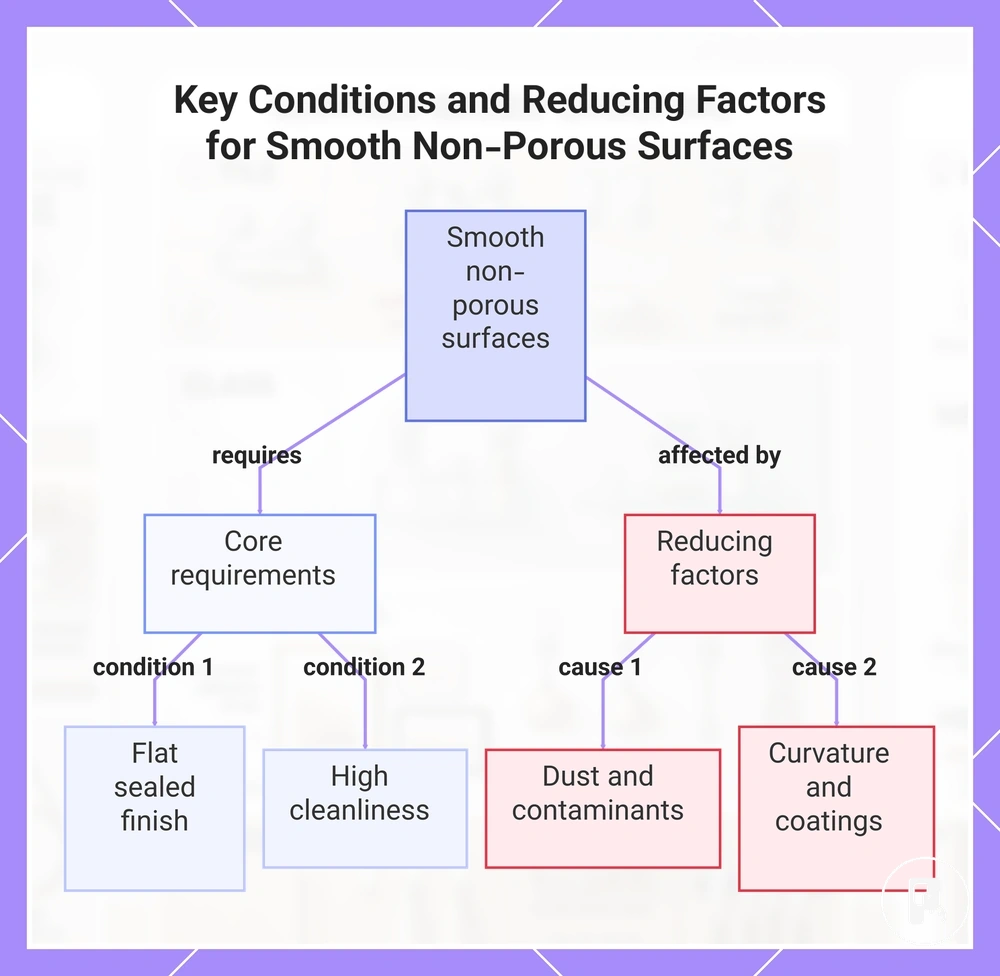
Smooth non-porous surfaces generally improve suction and adhesive hold because they create more consistent contact between the mounting base and the wall. Smooth non-porous surfaces rely on flatness, a sealed finish, and cleanliness to support stable suction and adhesive hold, but these conditions do not override load limits, moisture exposure, or product quality constraints.
- Glass — supports suction through a sealed contact area when cleanliness is high, but dust, residue, or light moisture can weaken the seal and reduce stability.
- Glazed tile — provides a smooth non-porous surface that can support adhesive hold, while grout edges and surface moisture may reduce consistent contact.
- Polished metal — offers a flat smooth finish that can support suction or adhesive contact, but coatings, oils, or residue may reduce reliability.
- Sealed panel — can support adhesive hold when the coating is intact and evenly finished, but uneven sealing or wear may reduce contact strength.
Even when surfaces appear smooth, factors such as dust, curvature, or surface coatings can reduce suction or adhesive effectiveness, so performance depends on both surface condition and overall mounting context.
This chart outlines the core requirements for smooth non-porous surfaces to enhance suction and adhesive hold, as well as the common factors that can diminish their performance.
Painted, uneven, and porous walls with lower holding certainty
Painted walls, uneven walls, and porous walls can show lower holding certainty because surface condition directly affects how no-drill adhesives interact with the wall. These surfaces often increase adhesion risk and removal risk since wall texture, paint quality, and material absorption can reduce consistent contact and stability. This requires more cautious selection and lower load expectations.
Lower holding certainty usually appears when wall texture is irregular, paint layers are weak or inconsistent, or porous materials absorb part of the adhesive contact. In painted walls, paint quality can influence adhesion behavior, while uneven walls reduce full surface contact. Porous walls can also increase variability in adhesive residue due to absorption differences.
Because these conditions affect reliability, no-drill accessories should be selected with caution and matched to lighter load requirements where possible.
The checklist below verifies key wall risks that influence safer selection on painted, uneven, and porous surfaces.
- Paint quality — weak or peeling paint may increase adhesion risk and reduce surface stability
- Wall texture — uneven or rough finishes reduce full contact and lower holding consistency
- Dust or absorption — porous walls may reduce adhesive effectiveness due to material absorption
- Adhesive residue — removal risk can vary depending on coating condition and surface type
- Load level — higher weight increases risk on painted, uneven, and porous walls
Weight, Size, and Holding Strength as Selection Criteria
Weight, size, and holding strength determine whether a no-drill accessory can support the expected load because load capacity is conditional on rated load, contact area, leverage, and stored-item weight. These factors directly influence whether the accessory maintains stable holding strength or develops sagging risk or failure risk under real-use conditions.
Holding strength is defined by rated load, contact area, leverage, and stored-item weight working together. Rated load represents manufacturer-defined conditions, while contact area affects how force spreads across the surface. Object size and depth increase leverage, and stored-item weight adds total stress during use, especially when items are repeatedly handled or repositioned.
Selection depends on balancing these criteria rather than assuming fixed performance. Lower-load options may be safer when contact area is limited or leverage is high due to deeper objects. Larger contact areas or alternative mounting methods may reduce sagging risk and failure risk. You can check load capacity to evaluate how rated conditions affect selection.
Before comparing criteria, the checklist below summarizes the key signals used to evaluate weight, size, and holding strength.
The checklist below verifies the main selection factors affecting load performance and stability.
| Criterion | What to check | Why it matters | Safer decision |
|---|---|---|---|
| Rated load | Manufacturer-stated capacity conditions | Defines baseline holding strength limits | Stay within rated conditions in real use |
| Contact area | Size of mounting surface | Affects force distribution and stability | Prefer larger area for heavier items |
| Item depth | How far object extends from wall | Increases leverage and sagging risk | Reduce depth or increase support points |
| Use frequency | How often load is applied or removed | Repeated stress affects long-term hold | Choose stronger support for frequent use |
| Stored-item weight | Total real-use load | Directly impacts holding strength demand | Match conservatively to rated capacity |
| Surface condition | Wall finish and stability | Affects adhesion reliability | Avoid unstable or uneven surfaces for higher loads |
Light, medium, and heavier household loads
Light, medium, and heavier household loads define practical load categories for selecting no-drill accessories based on how everyday items behave under use. These categories depend on surface quality and mount quality, since both factors influence how stable hooks, shelves, and similar storage setups remain during real use.
- Light loads — typically include items such as towels or light hanging items on hooks; usually more tolerant of basic mounts when surface quality is smooth and mount quality is stable, but overloading can still increase loosening risk.
- Medium loads — typically include shelves holding bottles or utensils; require more consistent surface quality and stronger mount quality, with caution due to gradual sagging risk under repeated use and added stored item weight.
- Heavier household loads — include denser stored items placed on shelves or broader storage setups; depend strongly on high surface quality and reliable mount quality, with increased sensitivity to leverage that can raise failure risk.
Stored-item weight versus accessory weight
Stored-item weight versus accessory weight defines the difference between what a no-drill accessory weighs on its own and what it carries during real use. Real-use load includes both accessory weight and stored-item weight, along with added items and movement that create total stress on the mounting point. Selection depends on how these combined forces affect stability over time.
In practical use, bottles in caddies, cookware on shelves, or frequently moved items can increase total stress beyond the empty accessory weight. Repeated use and movement introduce shifting load patterns that may change how the accessory behaves under everyday conditions, especially when items are wet or handled often.
The table below contrasts empty accessory weight with real-use load factors to clarify how selection changes under real conditions.
| Weight type | What it means for selection |
|---|---|
| Empty accessory weight | Base weight of the hook, shelf, or caddy before any stored items are added; does not represent real-use performance |
| Stored-item weight | Weight of bottles, cookware, or other items added during use that increases total stress on the mount |
| Movement | Shifting or repeated handling of added items that can increase load variability and affect stability |
| Moisture-added weight | Additional load from wet bottles or damp cookware that can temporarily increase real-use load |
| Repeated removal | Frequent loading and unloading that contributes to wear and changes holding behavior over time |
Mounting Method Fit for Adhesive, Suction, Tension, and Removable Options
Mounting method fit depends on room, surface condition, and load because each drill-free mounting method behaves differently under different support conditions. Adhesive, suction, tension, and removable options each respond to how stable the surface is and how weight is distributed. Selection improves when these factors are evaluated together rather than independently.
Adhesive mounting depends on sufficient contact area and stable surface condition, especially on smooth finishes. Suction relies on sealed, non-porous surfaces such as glass or tile where air-tight contact can form. Tension systems depend on opposing support surfaces and correct spacing, while removable options depend on controlled load and compatible surface conditions, particularly on finished or painted walls.
Each mounting method involves trade-offs in hold certainty, surface compatibility, and removal risk, and more than one option may work for the same use case depending on conditions. The decision is therefore based on matching method behavior to real room and surface constraints rather than assuming a universal best choice.
The matrix below summarizes how each mounting method fits different conditions and use cases.
| Method | Works better when | Watch for | Best-fit use case |
|---|---|---|---|
| Adhesive | Smooth surfaces with stable contact area and clean surface condition | Removal risk and reduced hold on uneven or dusty surfaces | Hooks and shelves for light to moderate household storage |
| Suction | Non-porous sealed surfaces like glass or smooth tile | Seal loss from moisture, dust, or imperfect flatness | Removable bathroom and kitchen accessories |
| Tension | Stable opposing surfaces with correct spacing and alignment | Instability when structural support or spacing is inconsistent | Rods, rails, and caddy-style storage between surfaces |
| Removable options | Controlled load on finished surfaces with flexibility needs | Load sensitivity and possible residue depending on surface condition | Light storage on painted or finished walls |
When adhesive mounting is the better fit
Adhesive mounting is usually a better fit when the surface is a smooth surface with enough contact area to support stable adhesion under a moderate load. It depends on dry exposure conditions and consistent surface cleanliness, since dust or moisture can reduce bonding stability. Performance is also influenced by pad size, cure time, load direction, and removal risk during long-term use.
- Surface condition — works better on a smooth surface with good cleanliness, where contact area can form evenly for adhesive mounting stability.
- Load direction and weight — suited for moderate load use cases where load direction does not create excessive pull or leverage stress.
- Exposure conditions — performs more reliably under dry exposure, while moisture or humidity can reduce adhesive consistency.
- Application factors — pad size affects grip coverage, cure time influences bonding strength development, and removal risk may increase depending on surface and material condition.
When suction or tension mounting is the better fit
Suction or tension mounting is usually preferable when adhesive mounting is less aligned with the surface condition or when repositioning and adjustability are more important than fixed bonding. Suction depends on a stable surface seal on a smooth surface, while tension mounting depends on opposing support to hold a rail or caddy in place. Both options carry different failure risk depending on how consistently these conditions are maintained.
These mounting methods are often used when flexibility in placement is needed, especially where adjustment over time is expected. Suction can support repositioning when the surface remains clean and the seal stays stable, while tension systems allow adjustable spacing for rail or caddy setups based on structural fit.
- Suction conditions — requires a smooth surface and a reliable surface seal; performance depends on surface cleanliness, with failure risk increasing if the seal weakens.
- Tension mounting conditions — relies on opposing support between surfaces; fit depends on stable pressure and alignment, typically used for rail or caddy setups.
- Repositioning — suction may allow repositioning when surface contact and seal quality remain stable under dry exposure.
- Adjustability — tension mounting supports adjustable spacing, but stability depends on correct structural alignment.
- Use case fit — both methods are selected when flexibility and non-fixed placement are more important than adhesive bonding strength.
Accessory Sets Versus Single Pieces for Room-Based Organization
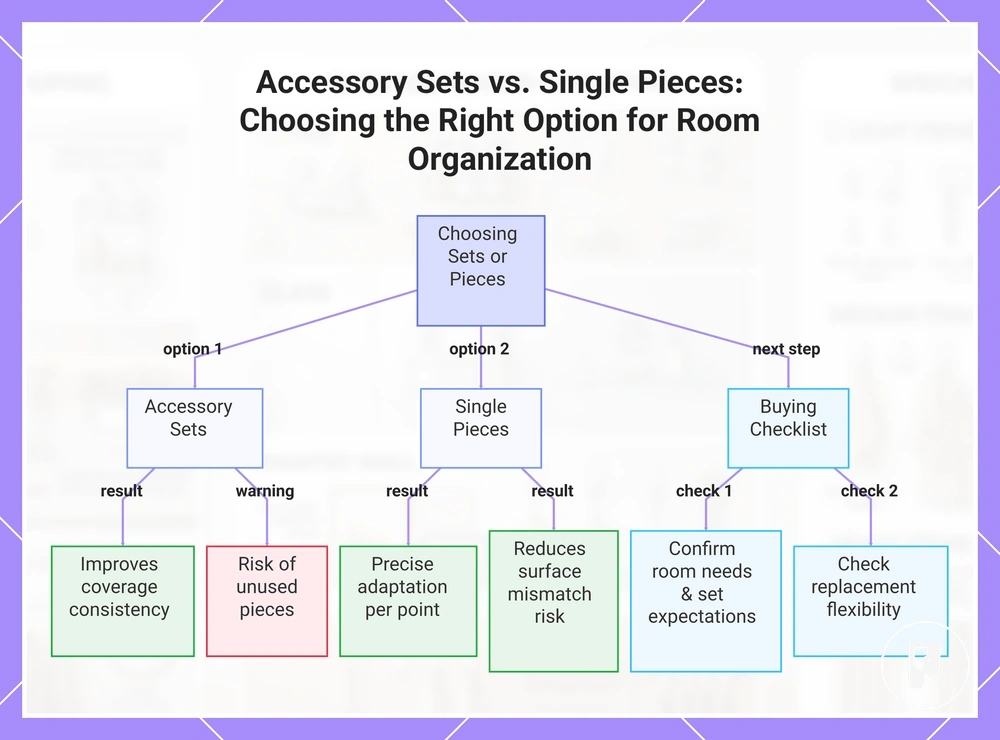
Accessory sets are usually a better fit when room-based organization needs set consistency across multiple points in a space and when coordinated use reduces planning effort. They depend on aligned surface match and similar load need across the room, which can improve consistency but may also introduce unused pieces if every component is not needed in practice.
Single pieces are usually preferable when each installation point requires a different surface match or load requirement. They allow more precise adaptation to room-based organization because each item can be selected based on exact placement needs rather than bundled assumptions, reducing mismatch risk across different wall or surface conditions.
The choice between accessory sets and single pieces depends on how room job requirements align with surface match, load need, and removability expectations. Set consistency may improve coverage, but it can also increase unused pieces and surface mismatch if the room layout does not fully align. Single pieces improve replacement flexibility and reduce mismatch risk but may require more planning per installation point.
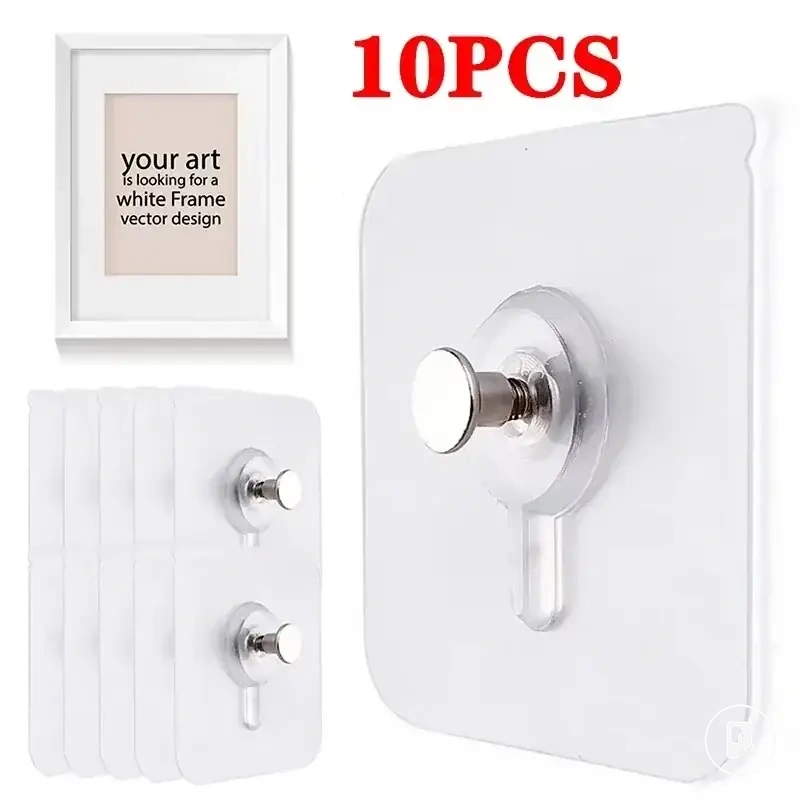
A buying checklist before checking prices helps confirm room-based organization needs, set consistency expectations, and potential replacement flexibility before selecting between sets or single pieces.:contentReference[oaicite:0]{index=0}
Here are product examples that may make comparison easier. Before buying, always review the compatibility criteria, essential features, and product details.
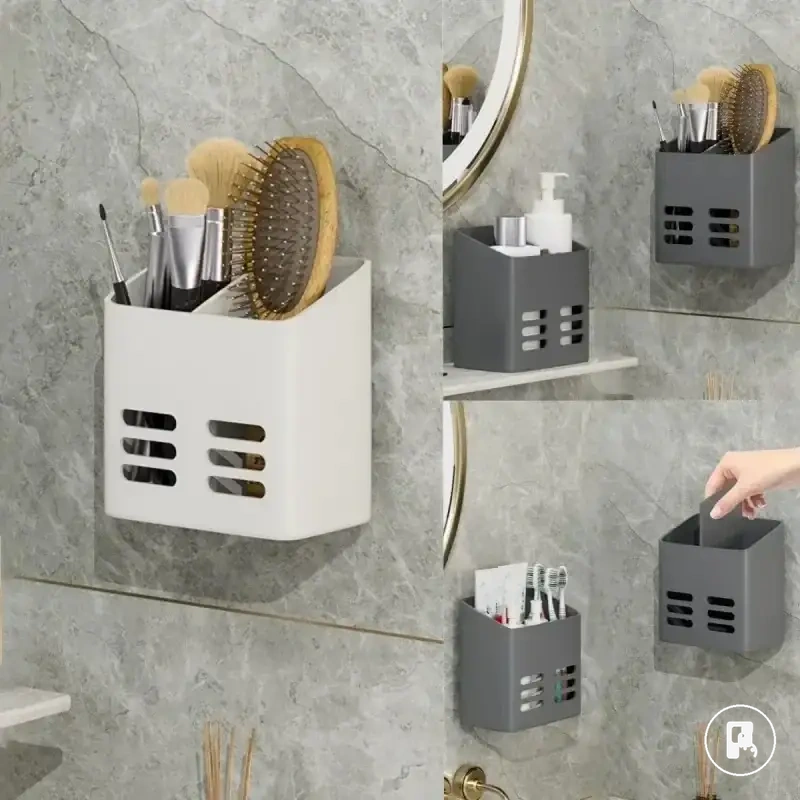
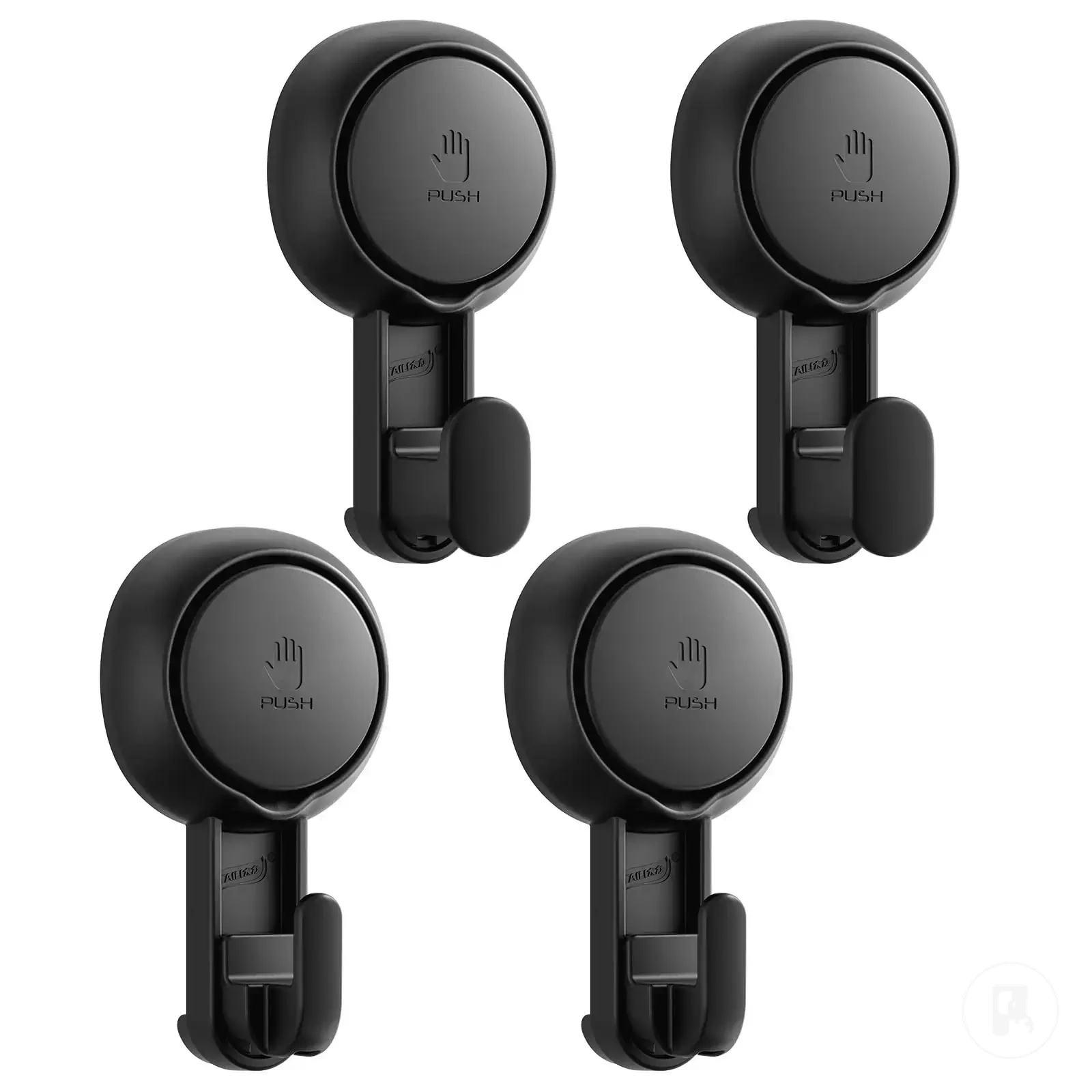
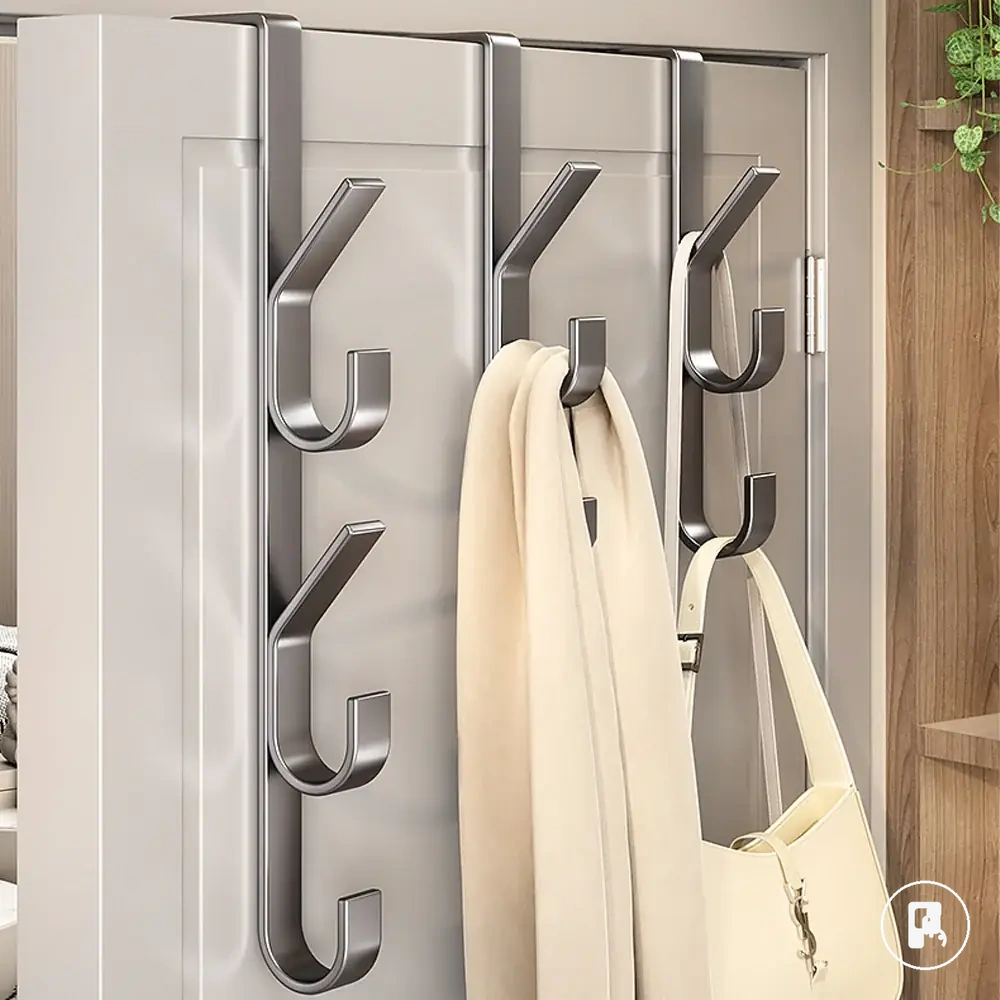
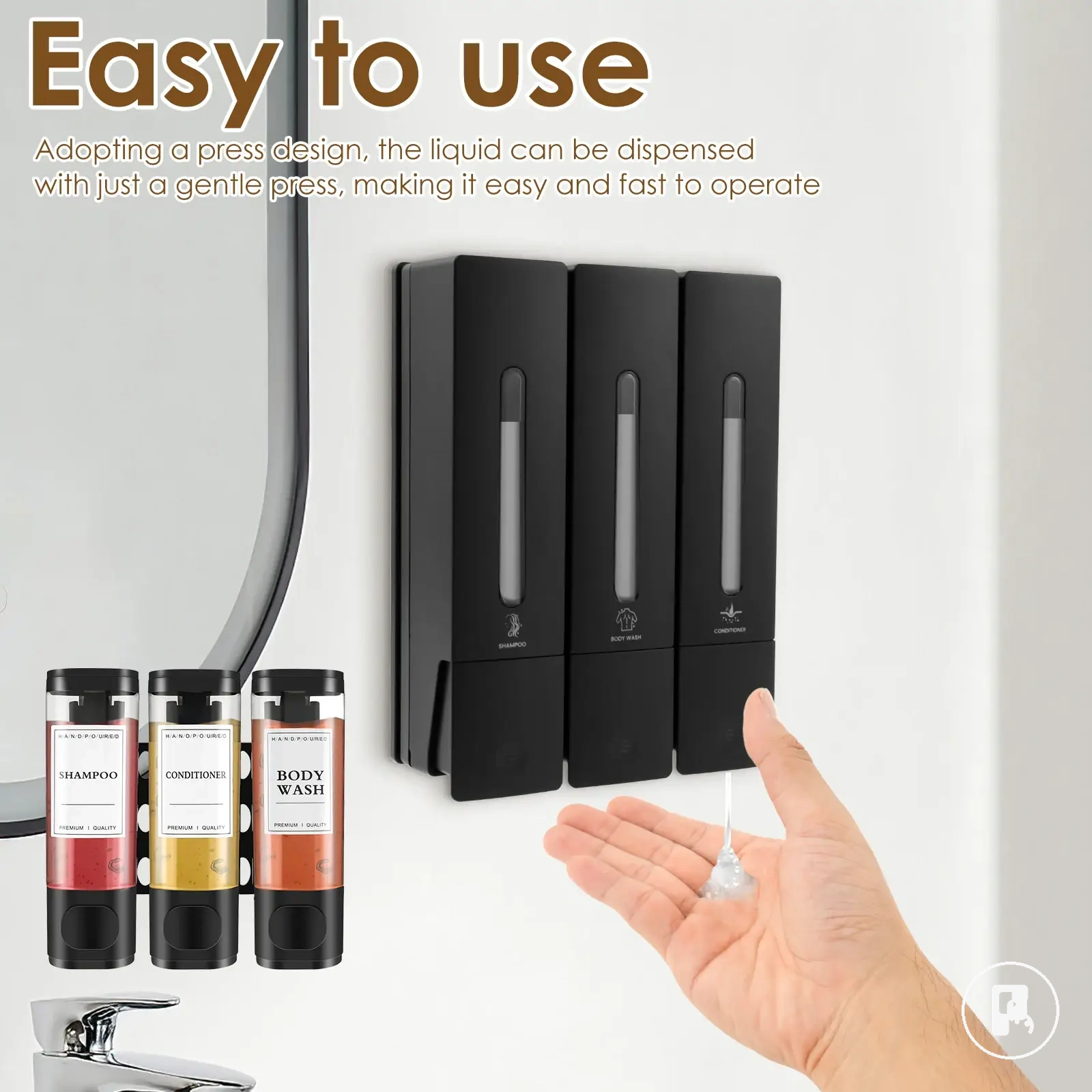
This chart compares accessory sets and single pieces for room organization, highlighting their benefits, risks, and a buying checklist to guide the decision.
Selection Mistakes That Reduce Hold or Damage Surfaces
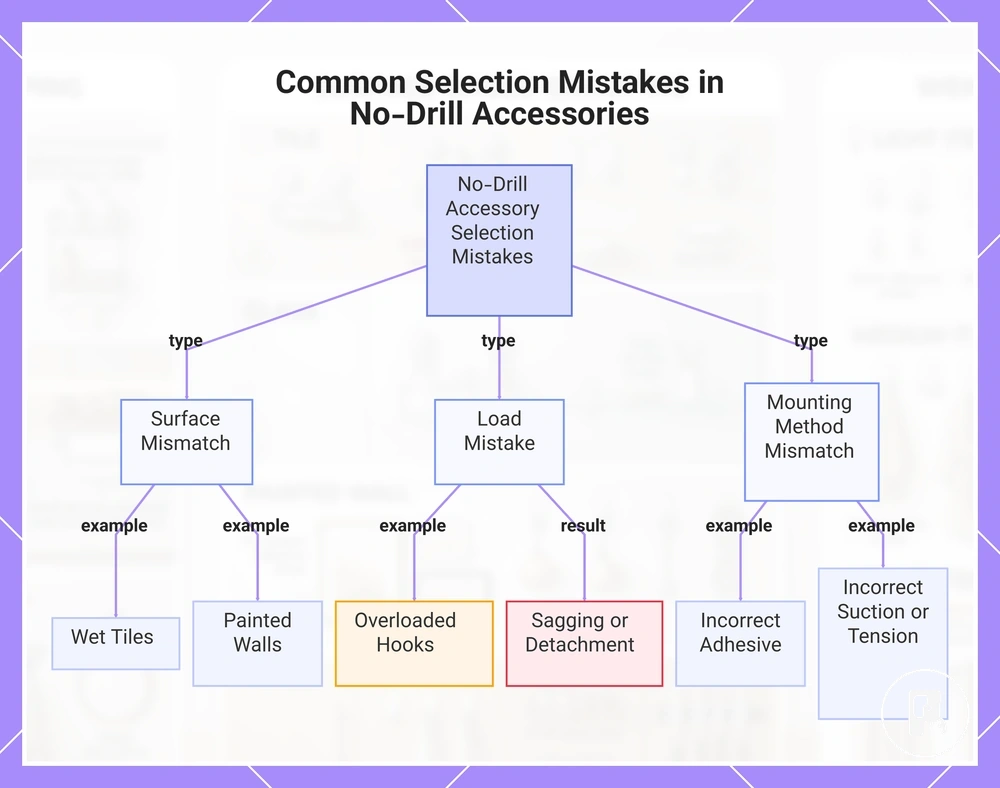
Selection mistakes in no-drill accessories often lead to weak hold, falling accessories, residue, or surface damage when room conditions are ignored during selection. These selection mistakes usually come from surface mismatch, load mistake, or incorrect mounting method choices that do not match how surfaces behave under real use. The main risk categories include weak hold, falling accessories, residue, and surface damage.
Most weak hold and falling accessories occur because the selection does not align mounting method with surface condition or expected load. A safer selection action is to match surface type, load requirement, and mounting method before use, since mismatched choices increase failure risk and reduce stability over time.
In borderline situations such as wet tiles, painted walls, and overloaded hooks, selection mistakes become more likely because moisture, coating sensitivity, and excess weight change how the system behaves. In these cases, reducing load expectation and rechecking surface compatibility helps prevent surface mismatch and falling accessories.
The checklist below helps identify common selection mistakes and their likely outcomes, focusing on prevention through better selection decisions.
- Surface mismatch — weak hold or falling accessories risk; choose a mounting method aligned with surface condition and texture
- Load mistake — overloaded hooks leading to sagging or detachment; reduce load and match weight to supported capacity
- Mounting method mismatch — incorrect adhesive, suction, or tension choice; align method with surface seal or opposing support needs
- Wet tiles — moisture reduces adhesion or suction stability; ensure dry conditions before selecting mounting method
- Painted walls — residue or surface damage risk; use lighter loads and compatible mounting options
- Overloaded hooks — structural stress leading to falling accessories; distribute weight or reduce stored-item load
- Ignored surface condition — weak hold and instability; reassess surface quality before final selection
This chart identifies the three main selection mistake categories in no-drill accessories and their specific risk conditions, helping readers avoid weak hold or surface damage.